Human Resources Training
Mar 26, 2026
Core Functions & Principles Every HR Professional Should Know

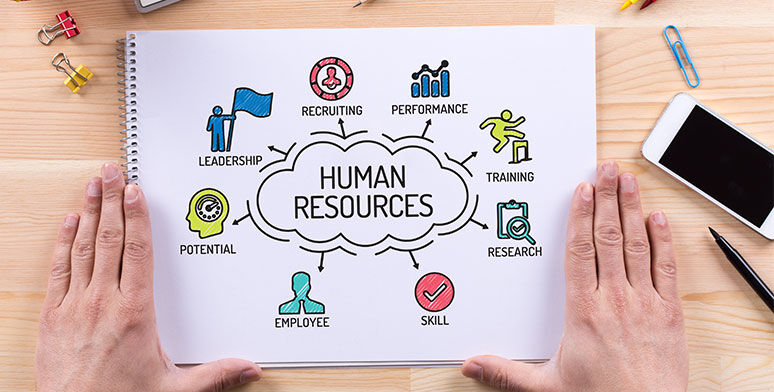
Human Resource (HR) management is the process of effectively managing an organization's workforce to achieve business objectives. For new and even experienced HR professionals, it can be useful to occasionally review the fundamentals of human resource management to make sure you and your HR department are refreshed on the essential aspects of human resources.
Key Takeaways
- HR management basics encompass seven core functions: recruitment, performance management, learning and development, succession planning, compensation and benefits, HRIS and HR analytics.
- Effective HR professionals balance transactional tasks with strategic partnership, aligning people practices with business goals.
- Six guiding principles (strategic alignment, partnership, fairness, communication, adaptability and ethics) should inform all HR decisions.
- Modern HR requires both foundational knowledge and evolving skills in technology, data analysis and change management.
What is Human Resource Management?
Human resource management (HRM) is the strategic approach to managing an organization's most valuable asset: its people. HRM encompasses the policies, practices and systems that influence employee behavior, attitudes and performance. It goes beyond administrative tasks to include workforce planning, talent development and creating an environment where employees can thrive.
At its core, HRM involves attracting the right talent, developing their capabilities, managing their performance and retaining them through competitive compensation and a positive work culture. Whether you work in a dedicated HR department or handle HR responsibilities as part of a broader role, understanding these HR management basics provides the foundation for organizational success.
The Role of Human Resources in Organizations
HR serves a dual purpose within organizations. On one hand, HR professionals handle essential administrative and compliance functions: processing payroll, maintaining employee records, ensuring legal compliance and managing benefits enrollment. These transactional activities keep the organization running smoothly and protect it from legal risk.
On the other hand, modern HR operates as a strategic partner to business leadership. HR professionals contribute to organizational strategy by aligning workforce planning with business goals, developing talent pipelines and shaping company culture. This partnership approach, where HR collaborates closely with supervisors and functional leaders, adds measurable value to the organization.
Why HR Management Matters
Effective HR management directly impacts an organization's ability to compete and succeed. When HR functions operate well, organizations experience higher employee retention, reduced hiring costs and improved productivity. Employees who feel supported, fairly compensated and developed in their careers are more engaged and committed to organizational goals.
Poor HR management, conversely, creates significant risk. Non-compliance with employment laws can result in costly lawsuits and penalties. High turnover drains resources and institutional knowledge. Toxic workplace cultures damage employer brands and make it harder to attract top talent.
For HR professionals, mastering the HR fundamentals covered in this article means you can contribute to better business outcomes while creating a workplace where employees want to stay and grow.
Key Principles of HR Management
The functions and activities of HR professionals should be guided by a core set of principles. These principles create a structured approach to managing people in a way that supports organizational success and fosters a positive work environment.
Strategic Alignment
HR practices should align with the organization's goals and objectives. HR needs to directly support the overall strategy, and its practices should reflect that.
Partnership and Engagement
While many HR tasks seem transactional, operating in partnership with supervisors and functional leadership helps add and show value.
Fairness, Equity and Objectivity
HR principles emphasize fairness in all practices, including hiring, promotions, compensation and discipline. Ensuring equity helps build trust and reduce discrimination and bias.
Communication
Effective communication within the organization fosters transparency, resolves conflicts and keeps employees informed about company policies, changes and expectations.
Innovation and Adaptability
HR professionals need to be proactive and adaptable to changes in the business environment, technology and workforce expectations. This includes embracing new HR practices and technologies to improve efficiency and effectiveness.
Ethics and Integrity
HR teams act with integrity, maintain confidentiality and develop HR practices that reflect the organization's values.
Seven Core Functions of HR Management
The HR management basics can be organized into seven core functions that every HR professional must master. Many times, these functions are performed in partnership or collaboration with the supervisor or functional team. Understanding each area provides the foundation for effective human resource management.
Recruitment and Selection
Talent acquisition encompasses all activities related to identifying, attracting and hiring qualified candidates. Key recruitment activities include:
- Job Analysis: HR can help supervisors describe the requirements of each job to create accurate job descriptions during the initial process of hiring new employees.
- Talent Acquisition Strategy: HR is often involved in the many steps needed to announce and fill open positions. This may include setting policy, identifying recruiting pathways and tools, writing job posts themselves or setting up the systems through which supervisors do so.
- Sourcing Candidates: HR may also play a role in identifying potential candidates through different channels such as job postings, social media, recruitment agencies and employee referrals.
- Interviewing and Selection: While the Hiring Manager often leads selection, HR can play a partnering role, doing screening interviews or assessing candidates' skills, experience and cultural fit through interviews, tests and reference checks to select the best match for the role.
Onboarding and Orientation
During the onboarding process, the basics of HR management is to integrate new employees into the organization by providing them with training, resources and information. HR plays a fundamental supportive role in introducing new hires to the organization to help them adjust and become productive. HR also generally covers personally sensitive items, like benefits, during onboarding.
Learning and Development
Developing employee capabilities is essential for both individual growth and organizational success. This function includes:
- Employee Training: Often, HR structures and provides internal and external training programs to develop specific skills and improve job performance. Modern learning technologies, including e-learning platforms and virtual training, have expanded how organizations deliver training.
- Professional Development: A larger HR team may provide other opportunities for continuous learning and career growth through workshops, coaching resources, certifications and mentorship programs.
- Leadership Development and Succession Planning: An HR team may provide assessments and development resources to identify and nurture future leaders within the organization. Advanced organizations also help define the organization's approach to advancement or career ladder planning.
- Strategic Workforce Planning: HR may collaborate with leadership to engage in forecasting and planning for future staffing needs.
Performance Management
Performance management involves the ongoing process of setting expectations, measuring results and developing employee capabilities. Key activities include:
- Performance Appraisal System: It is often the responsibility of human resources to establish the general approach and procedures for the performance appraisal cycle. This may include helping to write performance plan language, providing templates and setting due dates and documentation requirements for plans and appraisals.
- Performance Improvement Plans (PIPs): When there are performance problems, HR professionals can help address them by working with supervisors to create structured plans to help employees meet expectations.
- Continuous Feedback: Modern performance management increasingly emphasizes ongoing feedback and coaching rather than relying solely on annual reviews. Many organizations now use regular check-ins, goal-tracking systems and real-time feedback tools.
- Performance Metrics: HR helps establish meaningful metrics that align individual performance with organizational objectives, such as productivity measures, quality indicators and goal completion rates.
Compensation and Benefits
- Salary Management: HR generally monitors and advises management on competitive salary and compensation and benefits structures that attract and retain talent, while monitoring internal equity.
- Benefits Administration: Part of managing compensation includes sourcing and managing employee benefits, including health insurance, retirement plans, leave and other benefits.
- Incentives and Rewards: HR, in consultation with management, will often develop and implement bonus or awards programs and other incentive schemes to motivate employees.
Employee Relations
Employee relations encompasses all efforts to build and maintain positive relationships between the organization and its workforce. Strong employee relations drive employee engagement and retention.
- Building a Positive and Engaging Work Environment: An HR principle is to help model a culture of respect, collaboration and open communication by noting any patterns across complaints and identifying points of needed intervention based on staff feedback.
- Conflict Resolution: When disputes or complaints occur, HR can play a role in navigating disputes between employees or between employees and management, or bringing in external mediation services if needed.
- Policy Development: Clear policies can help increase clarity and reduce conflict. HR can support this by creating and enforcing workplace policies and procedures.
- Employee Engagement: HR monitors and works to improve employee engagement through surveys, feedback mechanisms and initiatives that strengthen employees' connection to their work and the organization.
HRIS and HR Analytics
The HR team generally manages HR-related systems and data, an increasingly critical function in modern organizations.
HR Information Systems (HRIS) serve as the technological backbone of HR operations. These systems manage employee information, payroll, benefits, attendance records and other HR-related information. Common HRIS capabilities include:
- Employee database management
- Payroll processing and tax compliance
- Benefits enrollment and administration
- Time and attendance tracking
- Applicant tracking and recruitment management
HR data and analytics enable organizations to make informed, data-driven decisions about their workforce. An advanced HR team is able to report and analyze data to help the business make informed decisions related to people, like projected salaries, attrition rates and HR process improvements. Key HR analytics applications include:
- Turnover analysis and retention forecasting
- Compensation benchmarking
- Recruitment funnel metrics
- Training effectiveness measurement
- Workforce planning projections
Compliance and Legal Responsibilities
HR compliance is a fundamental responsibility that protects both the organization and its employees. HR often has a key responsibility to make sure the organization complies with employment laws and regulations.
Employment Law Fundamentals
HR professionals must understand and apply key employment laws, including those related to minimum wage, working hours, employee rights, anti-discrimination and workplace safety. As one of the basics of HR management, human resources identifies and mitigates risks related to employee relations and workplace dynamics (e.g., anti-harassment programs, programs to support accommodations for people with disabilities). HR can also promote ethical behavior and establish and promote the organization's code of conduct.
Health, Safety and Wellbeing
One tool of HR is to provide information for building a safe working environment and making sure the team complies with occupational health and safety standards. Sometimes, this fundamental HR element is handled by an operations or compliance team instead.
This core principle of human resources also includes promoting the physical, mental and emotional well-being of employees through services like Employee Assistance Programs (EAP) and wellness events. EAPs provide confidential counseling and services for employees with personal or work-related challenges.
Diversity, Equity and Inclusion in HR
DEI has become an essential component of effective HR management. Sometimes, a DEI Office is separate from HR, but it is often part of it.
- Promoting Diversity: HR plays a critical role in seeking ways to grow a diverse talent pool for the present and future.
- Inclusive Practices: HR can also model ways to promote a diverse workforce and inclusive workplace culture through events and employee highlights.
- Equity Initiatives: HR also monitors patterns across the organization to ensure fair treatment, access and opportunity for all employees. They are often well positioned to address disparities and emphasize areas where more fairness is needed.
Essential Skills for HR Professionals
Beyond understanding HR functions, successful HR professionals develop a specific set of competencies. These skills enable you to execute HR responsibilities effectively and advance in your career.
Communication and Interpersonal Skills
HR professionals interact with employees at all levels, from entry-level staff to executives. Strong communication skills include:
- Active listening to understand employee concerns
- Clear written communication for policies and documentation
- Presentation skills for training and leadership meetings
- Conflict resolution and mediation abilities
- Empathy and emotional intelligence
Analytical and Technical Skills
Modern HR requires comfort with data and technology:
- Proficiency with HRIS platforms and HR software
- Ability to analyze workforce data and identify trends
- Understanding of HR metrics and key performance indicators
- Basic knowledge of data privacy and security requirements
Business Acumen
Effective HR professionals understand how their work connects to organizational success:
- Knowledge of business strategy and operations
- Financial literacy to understand budgets and compensation structures
- Strategic thinking to align HR initiatives with business goals
- Change management capabilities to guide organizational transitions
How HR Management Has Evolved
HR has transformed significantly over the past several decades. Understanding this evolution helps HR professionals appreciate current expectations and anticipate future trends.
Historically, HR (often called "personnel") focused primarily on administrative tasks: maintaining employee files, processing payroll and ensuring basic compliance. The role was largely reactive and transactional.
Today, HR operates as a strategic business partner. This shift reflects several key developments:
- Technology transformation: HRIS, applicant tracking systems and analytics tools have automated routine tasks, freeing HR to focus on strategic initiatives.
- Workforce changes: Remote work, gig economy growth and multigenerational workplaces require more sophisticated people management approaches.
- Talent competition: Organizations recognize that attracting and retaining talent requires intentional culture-building and employee experience design.
- Data-driven decisions: HR now uses workforce analytics to inform strategy rather than relying solely on intuition.
This evolution continues as artificial intelligence, employee experience platforms and predictive analytics reshape how organizations manage their people.
Getting Started with HR Management
Whether you're new to HR or looking to strengthen your foundation, several paths can help you develop your HR management basics:
- Pursue formal education or certification: HR certifications from organizations like SHRM or HRCI validate your knowledge and commitment to the profession.
- Gain hands-on experience: Entry-level roles in HR administration, recruiting coordination or benefits administration provide practical exposure to core functions.
- Invest in continuous learning: The HR field evolves constantly. Ongoing training in areas like employment law updates, HR technology and leadership development keeps your skills current.
- Build your network: Connecting with other HR professionals through associations and events provides learning opportunities and career support.
- Stay informed: Follow HR publications, attend webinars and participate in professional development to stay current with trends and best practices.
These core functions work together to support the organization's overall strategy, helping to build a workforce that is productive, engaged and aligned with business goals.