Communication
Apr 23, 2026
How Communication Skills Training Boosts Team Collaboration and Leadership


Key Takeaways
- Communication skills training develops specific, learnable competencies like active listening, nonverbal awareness, constructive feedback and digital communication etiquette that directly improve team performance.
- Organizations that invest in communication training see measurable gains in productivity, employee engagement and leadership pipeline strength.
- The most effective programs blend live instructor-led sessions with on-demand learning and include ongoing practice, coaching and measurement.
- Choosing the right training partner means looking for breadth of format, expert facilitation, accreditation and dedicated support.
Why do some teams seem to "click" effortlessly while others struggle to stay aligned? The difference often comes down to how well team members communicate, listen and respond to one another. Communication skills training - structured programs that develop competencies like active listening, clear messaging, feedback delivery and nonverbal awareness - gives teams the shared language and practices they need to collaborate with confidence. According to a report by the Economist Intelligence Unit, poor workplace communication contributes to increased stress, missed deadlines and lost sales, costing organizations of every size real money and momentum.
That's why communication skills training is far more than a professional development exercise; it's a foundational investment in how teams function and how leaders lead. By learning to express ideas clearly, listen actively and offer constructive feedback, employees strengthen the human connections that make organizations thrive. Leaders who cultivate these same skills can unite their teams around a common vision and guide them with clarity and confidence.
In this article, you'll learn what communication skills training covers, the core competencies it develops, how it strengthens both collaboration and leadership, and how to choose, implement and measure a program that fits your organization's needs.
What Is Communication Skills Training?
Communication skills training is a structured learning experience designed to help individuals and teams improve how they convey information, listen, give feedback and interact in professional settings. Unlike general "soft skills" programs that touch on communication as one topic among many, dedicated workplace communication training focuses entirely on building the specific competencies that drive clarity, trust and collaboration at work.
A comprehensive communication training program typically covers:
- Active listening and empathetic response
- Clear and concise verbal and written messaging
- Nonverbal communication and tone awareness
- Emotional intelligence and self-regulation
- Digital communication etiquette (email, chat, video)
- Constructive feedback delivery and reception
- Conflict resolution through dialogue
Communication training for employees benefits everyone, from individual contributors who want to express ideas more effectively to senior leaders who need to align entire organizations around a shared strategy. And as training formats have evolved, learners can now access these skills through in-person seminars, live virtual sessions, on-demand courses and blended programs that combine multiple modalities.
Why Communication Skills Training Matters More Than Ever
Effective communication shapes every aspect of organizational success. When team members understand objectives, responsibilities and expectations, projects progress smoothly. Conversely, poor communication can lead to confusion, low morale and reduced productivity.
It used to be easier to pop into a colleague's office with a question or share a bit of information in the lunchroom on a given workday. But with hybrid workplaces, flexible schedules and business travel all common in today's workforce, daily connection is no longer a given. Organizations must pay more careful attention than ever to exactly what and how we are communicating with our teammates.
Similarly, we must align everyone's expectations when it comes to communication practices. We now have myriad channels for conversation - from email to Slack or Teams to text messages to voice notes and beyond. The list is long, and that is why offering effective communication training to staff members is so important - it gets everyone on the same page about the best ways to collaborate.
Organizations that prioritize team communication training create environments where information flows efficiently. Teams gain clarity, reduce misunderstandings and can respond to challenges with agility. Courses like How to Become a Great Communicator and How to Communicate with Tact and Professionalism provide learners with core skills to thrive in any professional setting.
Core Skills Developed in Communication Training
What exactly will your team learn in a communication skills course? The best programs break communication into discrete, practicable competencies. Below are the core skills that effective communication training develops.
Active Listening
Active listening is more than staying quiet while someone else talks. It's a deliberate practice of focusing fully on the speaker, processing their message and responding in a way that confirms understanding. Active listening builds trust because it signals genuine respect for the other person's perspective.
In team settings, active listening allows members to understand underlying concerns, identify potential obstacles and acknowledge contributions. When employees feel heard, collaborative efforts become more productive and harmonious. Active Listening Skills to Improve Communication focuses on listening strategies that encourage empathy and attentiveness, giving participants frameworks they can apply in every meeting and conversation.
Clear and Concise Messaging
Ambiguity is the enemy of collaboration. When team members misinterpret instructions or fail to grasp critical details, errors and inefficiencies multiply. Training in clear and concise messaging teaches participants to articulate objectives, outline expectations and summarize key points to ensure mutual understanding - whether they're writing an email, leading a meeting or presenting to stakeholders. Over time, this clarity minimizes the risk of conflict and increases overall team efficiency.
Nonverbal Communication and Tone
Research consistently shows that body language, facial expressions and tone of voice convey a significant portion of any message. Nonverbal communication training helps participants recognize how posture, eye contact, gestures and vocal inflection shape the way their words are received.
This skill is equally important on video calls, where a camera frame limits visible cues and makes tone harder to read. Learners practice aligning their nonverbal signals with their intended message so that what they say and how they say it reinforce each other rather than create confusion.
Emotional Intelligence and Empathy
Emotional intelligence - the ability to recognize, understand and manage your own emotions while being attuned to the emotions of others - directly affects communication effectiveness. In a training context, EQ development focuses on self-awareness, self-regulation and empathetic response.
When team members can read the emotional temperature of a conversation and adjust their approach accordingly, feedback lands more constructively, conflicts de-escalate faster and leaders connect more authentically with their teams. These are not innate talents; you cultivate them through intentional learning, reflection and practice.
Digital Communication Etiquette
With so much collaboration happening through email, chat platforms, video calls and shared documents, digital communication etiquette has become a critical workplace skill. Training in this area covers how to choose the right channel for the right message, how to convey tone in email and other text-based communication, how to structure clear meeting agendas for virtual sessions and how to maintain engagement in asynchronous conversations.
For hybrid and remote teams especially, establishing shared norms around digital communication reduces friction and helps every team member feel included regardless of location or time zone.
Constructive Feedback and Conflict Resolution
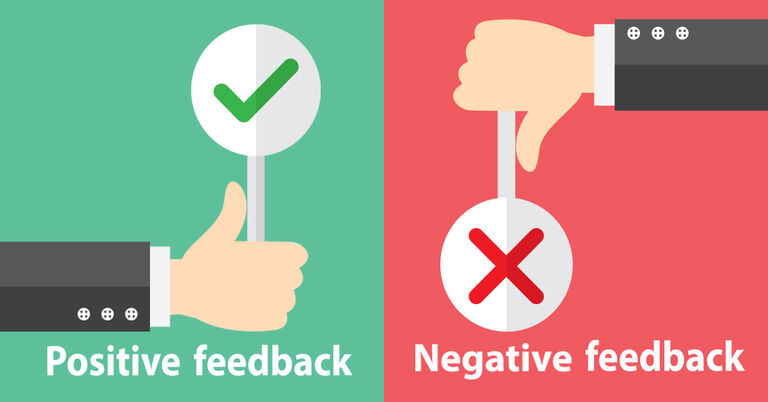
Constructive feedback is a two-way skill: knowing how to deliver it and knowing how to receive it. Give Effective Feedback and Maintain Positive Relationships equips participants with tools for framing critiques positively, focusing on behavior rather than personality and negotiating solutions that satisfy multiple stakeholders.
Conflict is inevitable in any team, yet how teams manage it defines their success. Effective communication training goes beyond feedback delivery to teach conflict resolution frameworks - identifying the root cause of disagreements, facilitating open dialogue and reaching agreements that strengthen rather than fracture working relationships. This skill set transforms potential points of tension into opportunities for growth and innovation.
Benefits of Communication Skills Training for Organizations
It does not take long after a communication skills training experience for organizations to see measurable and qualitative benefits of communication training firsthand. Research from McKinsey found that well-connected teams can see productivity increases of 20% to 25%, and a study published by SHRM estimated that companies lose an average of $62.4 million per year due to inadequate communication. The investment in training pays for itself quickly.
Here are six benefits organizations consistently report:
- Increased productivity - Teams that communicate effectively coordinate better, make decisions faster and reduce errors, directly enhancing operational efficiency.
- Higher employee engagement and morale - Employees who feel understood and valued demonstrate higher engagement and motivation. An organization's investment in communication skills fosters a culture of respect and inclusion.
- Reduced employee turnover - Improved morale and stronger manager-employee relationships lead to better retention, saving significant recruiting and onboarding costs.
- A stronger leadership pipeline - Embedding communication into leadership development ensures that emerging leaders are confident, competent and ready to navigate complex workplace dynamics.
- Improved client and customer relationships - Learning how to communicate clearly with internal stakeholders translates to improved and consistent external communication, enhancing customer trust, loyalty and satisfaction.
- Fewer and shorter conflicts - When teams share a common vocabulary for giving feedback and resolving disagreements, they address conflicts earlier and resolve them faster.
| Dimension | Before Communication Training | After Communication Training |
|---|---|---|
| Meeting Efficiency | Meetings run long with unclear outcomes | Meetings follow agendas and end with clear action items |
| Conflict Frequency | Misunderstandings escalate into recurring disputes | Issues are addressed early through constructive dialogue |
| Employee Engagement | Team members feel unheard or undervalued | Employees actively contribute ideas and feedback |
| Project Delivery | Deadlines slip due to miscommunication | Teams align on expectations and deliver on schedule |
| Customer Satisfaction | Inconsistent messaging erodes client trust | Clear, professional communication strengthens loyalty |
How Communication Skills Training Strengthens Team Collaboration
Team communication training is not a luxury; it is an operational necessity. Projects increasingly involve cross-functional teams, remote workforces and diverse cultural backgrounds. In such environments, the ability to communicate effectively directly impacts a team's ability to function cohesively.
When the core skills outlined above - active listening, clear messaging, nonverbal awareness, empathy, digital etiquette and constructive feedback - are practiced together, collaboration outcomes improve across the board:
- Faster, more confident decision-making
- Fewer misunderstandings and rework cycles
- Stronger alignment across departments and functions
- More inclusive participation in meetings and brainstorming sessions
- Greater willingness to surface problems early
Courses like How to Communicate with Tact and Professionalism and Team Communication Tactics give teams shared frameworks for these practices, so collaboration stops feeling forced and starts feeling natural.
Communication Skills Training as a Foundation for Leadership
Leadership is fundamentally relational. The ability to influence, inspire and guide others hinges on how well you communicate your message. Leaders who excel in leadership communication foster environments where team members feel valued, informed and motivated. Consequently, communication skills training is not merely an operational enhancement; it is a strategic investment in developing leadership skills.
Leaders and aspiring leaders alike can use communication skills training to inspire their teams toward desired organizational outcomes in the following ways:
Articulating Vision and Strategy
Effective leaders must convey vision in a manner that is compelling and actionable. The Manager's Guide to Confident Communication emphasizes techniques for presenting complex ideas clearly, tailoring messages to different audiences and using storytelling to inspire engagement. Leaders who master these skills can align their teams around strategic objectives, ensuring everyone understands both the "why" and the "how" of their work.
Building Trust Through Transparency
Trust is the cornerstone of leadership credibility. Leaders who communicate openly about challenges, decisions and expectations cultivate an environment of psychological safety. How to Communicate with Tact and Professionalism helps leaders practice transparency without oversharing, balancing honesty with discretion. When team members trust their leaders, they are more likely to take initiative, share ideas and support organizational goals.
Influencing and Motivating Others
Leadership extends beyond directive authority; it requires the ability to influence and motivate. Training in persuasive communication, emotional intelligence and nonverbal cues enables leaders to inspire action and foster commitment. Leaders who develop these competencies - particularly the ability to read a room, adapt their tone and connect on an emotional level - can effectively mobilize their teams toward shared objectives, whether navigating change management initiatives or driving innovation.
How to Choose the Right Communication Skills Training Program
With so many options available, selecting the right effective communication training program requires careful evaluation. Whether you're exploring corporate communication training for an entire department or online communication skills training for a distributed team, the following criteria can guide your decision:
- Format variety - Look for a provider that offers in-person seminars, live virtual sessions and on-demand courses so you can match the format to your team's needs and schedules.
- Expert facilitation - The effectiveness of training is closely tied to the quality of the instructor. Experienced facilitators model effective communication, provide individualized coaching and adapt sessions in real time.
- Recognized accreditations - Programs that offer continuing education credits or professional development units add tangible value for participants and their organizations.
- Scalability - Whether you're training five people or 500, the provider should offer flexible pricing and delivery options. Subscription plans like PryorPlus can significantly reduce per-person costs for organizations with ongoing training needs.
- Dedicated support - A dedicated Training Consultant who understands your organization's goals can help you select the right courses, schedule sessions and track progress over time.
- Blended learning options - The most effective programs combine live instruction with self-paced learning and reinforcement tools, ensuring skills stick long after the initial session.
- Proven track record - Ask for case studies, client testimonials or references from organizations similar to yours in size and industry.
Pryor Learning offers all of these elements across its communication skills training portfolio, from single-topic seminars to comprehensive blended learning paths available through PryorPlus.
Implementing a Communication Skills Training Program
To maximize the benefits, organizations should approach communication skills training strategically, considering structure, content and long-term integration. As you plan your team's professional development, consider these four points:
Define Objectives and Success Metrics
Establish clear goals for the training program, whether it is reducing conflict, improving meeting efficiency or developing future leaders. Success metrics provide tangible evidence of impact. Examples include employee engagement scores, project completion rates, conflict resolution time, meeting duration and frequency of feedback exchanges. Defining these upfront gives you a baseline to measure against after training.
Select Experienced Facilitators
The effectiveness of training is closely tied to the quality of facilitation. Experienced trainers not only deliver content but also model effective communication, provide individualized coaching and adapt sessions to participant needs.
Blend Learning Modalities for Maximum Impact
Modern training leverages multiple formats, and a blended approach ensures accessibility, reinforces learning and accommodates diverse learning preferences. Pryor Learning offers live in-person seminars for immersive, hands-on practice; live virtual sessions that bring the same expert facilitation to distributed teams; an on-demand library of courses through PryorPlus for self-paced learning; and downloadable resources for quick reference and reinforcement. Combining these modalities means participants can learn in the format that works best for them and revisit key concepts whenever they need a refresher.
Foster a Culture of Communication
Training should not exist in isolation. Organizations must reinforce a culture that values open dialogue, continuous feedback and collaborative problem-solving. Leadership endorsement, communication policies and recognition of effective communicators help sustain progress long after formal training concludes.
How to Measure the Impact of Communication Skills Training
Investing in communication skills training is a strategic decision, and stakeholders will want to see evidence that it's working. Measurement doesn't have to be complicated, but it does need to be intentional. Here are five methods to track the impact of your training program:
- Pre- and post-training assessments - Administer skills assessments or self-evaluations before and after training to quantify improvement in specific competencies like active listening, feedback delivery or written clarity.
- Employee engagement surveys - Compare engagement scores from before and after training. Look for improvements in questions related to feeling heard, trust in leadership and team collaboration.
- 360-degree feedback - Collect feedback from peers, direct reports and managers to get a well-rounded view of how a participant's communication behaviors have changed.
- Performance metrics - Track operational indicators tied to communication, such as meeting efficiency, project on-time delivery rates, customer satisfaction scores and conflict resolution timelines.
- Manager observation - Encourage managers to document specific communication improvements they observe in day-to-day interactions, team meetings and cross-functional projects.
Tie these measurement methods back to the objectives you defined during implementation. Over time, the data will help you refine your training approach, identify areas that need reinforcement and build a compelling case for continued investment.
Communication Skills Training in Action: Three Workplace Scenarios
Across organizations of every size, certain patterns signal that communication skills training can create meaningful improvements. Below are three common scenarios that illustrate how targeted training resolves issues and strengthens both collaboration and leadership outcomes.
Cross-Functional Team with Persistent Misalignment
A product development team includes members from marketing, design and engineering. Despite shared enthusiasm for the project, meetings often end with confusion about priorities and next steps. Emails are lengthy and unclear, updates get lost and project milestones slip.
Each department uses different terminology and focuses on different success metrics. Without shared communication norms, conversations become fragmented and assumptions replace clarity. The issue isn't a lack of talent - it's a lack of communication structure.
How Training Helps: Our Team Communication Tactics course teaches techniques for concise messaging, active listening and confirming understanding. Participants learn to restate key points, summarize takeaways and keep their team on the same page. After training, the team establishes a shared communication framework - productive meetings, standardized project updates and clear accountability. The result: faster decisions, fewer misunderstandings and stronger collaboration across disciplines.
New Manager Struggling to Lead Effectively
A technically skilled employee is promoted to a management role. While knowledgeable and dedicated, they find it difficult to delegate, provide feedback or motivate their team. Conversations about performance feel awkward, and morale begins to dip.
The new manager relies on task-based communication rather than relationship-based leadership. Without confidence in feedback delivery or emotional awareness, they struggle to engage their team fully.
How Training Helps: In The Manager's Guide to Confident Communication, the manager learns to conduct one-on-one discussions using active listening and empathy. They practice delivering constructive feedback that focuses on behaviors and outcomes, not personal traits. Training also helps them recognize nonverbal cues and adjust tone for positive influence. Over time, they build trust, communicate expectations clearly and foster a culture of accountability and motivation.
Remote Team Facing Collaboration Fatigue
The Situation:A distributed team across multiple time zones feels disconnected. Virtual meetings lack energy, email threads grow unwieldy and small misunderstandings escalate quickly. Productivity and engagement are slipping.
The Underlying Issue:Remote work magnifies every weakness in communication. Without intentional listening, tone awareness and clarity in writing, relationships and collaboration degrade over distance. The digital communication etiquette skills covered earlier in this article are especially critical here.
How Training Helps: How to Avoid Bad Communication Habits provides strategies tailored to virtual collaboration, such as structuring clear meeting agendas, using empathy in digital communication and maintaining engagement through inclusive dialogue. Team members learn to balance efficiency with connection. After training, meetings become more focused, participation rises and team cohesion improves despite physical distance.
The Takeaway
Across these scenarios, one principle remains constant: communication is rarely the only issue, but it is often the first issue to solve. When employees and leaders share the tools, language and confidence to communicate effectively, collaboration strengthens naturally - and the entire organization performs better.
Great Teams Start with Great Communication
Just as strong communication can make a team "click," poor communication can quietly pull it apart. Teams rarely fail because of a lack of skill or effort; they falter because their messages get lost, their intentions get misread or their feedback goes unspoken. Communication skills training addresses these gaps not by changing what people do, but by transforming how they connect while doing it.
When team members learn to listen actively, express ideas clearly and adapt their style to different personalities, collaboration stops feeling forced and starts feeling fluid. Conflicts become opportunities for understanding rather than obstacles to progress. Leaders gain the confidence to motivate rather than micromanage, and employees feel empowered to contribute rather than withdraw.
The result is more than better meetings or smoother workflows - it is a cultural shift. Communication becomes the common language that unites diverse perspectives and strengthens shared purpose. That cohesion, built through deliberate practice and supported by ongoing learning, is how teams move from functioning to flourishing.
Ready to build that foundation for your team? Explore Pryor Learning's full library of communication skills training courses or discover how PryorPlus gives your organization unlimited access to live and on-demand learning.