Sales
Apr 28, 2026
Customer Success Strategy: Complete Guide to Building Client Relationships

Key Takeaways
- A customer success strategy is a proactive framework that aligns your organization's goals with your customers' desired outcomes, driving retention and growth.
- Effective strategies require customer segmentation, tailored engagement approaches and cross-functional alignment across your organization.
- Customer-facing roadmaps are a powerful tool within your strategy for communicating vision, building trust and setting expectations with clients.
- Measuring success through defined KPIs and metrics ensures your strategy delivers measurable business impact.
What Is a Customer Success Strategy?
A customer success strategy is a proactive, organization-wide plan designed to help customers achieve their desired outcomes while using your product or service. Rather than waiting for problems to surface, a customer success framework anticipates needs, guides engagement and aligns your team's efforts with the goals that matter most to your clients.
This is an important distinction. While customer service and customer success are related, they serve different purposes:
- Customer service is reactive, responding to issues, questions and complaints as they arise.
- Customer success is proactive, focused on guiding customers toward long-term goals and measurable results.
- Customer service is typically transactional, resolving one interaction at a time. Customer success is relational, building partnerships over months and years.
- Customer service measures resolution speed and satisfaction. Customer success measures retention, expansion and lifetime value.
Organizations of all sizes benefit from a defined customer success strategy. Whether you manage five key accounts or five thousand, a structured approach ensures your team is working toward outcomes that strengthen relationships and drive business growth.
Why a Customer Success Strategy Matters
Every organization, team and professional interacts with customers or clients, whether they are current, future or potential. At the heart of every successful business is a mission focused on meeting the evolving needs of these key relationships. For many leaders, career achievements are tied to helping long-term customers and clients reach their goals. But without a deliberate customer retention strategy, even strong relationships can erode over time.
Investing in a customer success strategy delivers measurable business impact:
- Reduces churn by identifying at-risk accounts early and addressing concerns before they escalate.
- Increases customer lifetime value through deeper engagement and expanded use of your products or services.
- Creates brand advocates who refer new business and provide testimonials that strengthen your reputation.
- Drives expansion revenue by uncovering upsell and cross-sell opportunities within existing accounts.
- Aligns internal teams around shared customer outcomes, breaking down silos between sales, service and product groups.
The cost of acquiring a new customer far exceeds the cost of retaining an existing one. A well-built customer success strategy shifts your organization from reactive problem-solving to proactive value creation, and that shift pays dividends across every part of the business.
How to Build a Customer Success Strategy
A customer success framework turns good intentions into repeatable actions. The following seven steps provide a structured approach to building a strategy that delivers results for your customers and your organization.
1. Define Your Vision and Goals
A successful strategy begins with a clearly defined vision. What does success look like for one or many customers? Align your goals with their needs while tying them to broader business objectives such as revenue growth, customer satisfaction or staffing strategies. Be specific: rather than "improve customer satisfaction," set a target like "increase CSAT scores by 10% within six months." When your vision is clear, every team member understands what they are working toward.
2. Segment Your Customers
Not all customers are the same, and understanding their needs and expectations can vary significantly. Segment your customers based on factors such as industry, product usage, account value or engagement level. Customer segmentation allows you to allocate resources effectively, matching high-touch service to your most complex accounts and scalable approaches to your broader base. The detailed segmentation framework in the next section provides a practical model for this step.
3. Map the Customer Journey
Identify the key touchpoints and milestones in your customer's lifecycle, from onboarding through renewal and expansion. Understanding where customers experience friction, where they find the most value and where they are most likely to disengage gives your team a clear picture of where to focus.
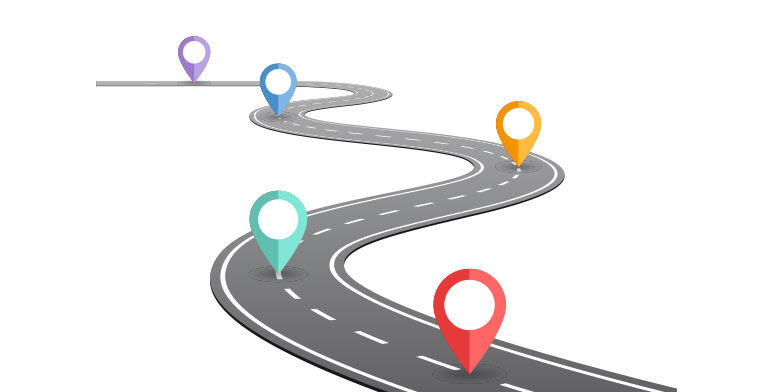
A customer journey roadmap doesn't need to be complex. Start by documenting the major stages: initial implementation, first value milestone, ongoing engagement, renewal decision and growth opportunities. For each stage, define what success looks like and what actions your team should take to support it.
4. Establish Proactive Engagement Practices
Proactive engagement is the engine of customer success. Rather than waiting for customers to reach out with problems, engage with them through regular check-in meetings to assess how things are progressing and identify upcoming needs. Use these meetings to share rollout plans for new services or products and to facilitate brainstorming sessions that explore future opportunities.
Consider implementing quarterly business reviews (QBRs) for your most important accounts and customer health scoring to monitor engagement levels across your full portfolio. Health scores that combine usage data, support ticket trends and relationship signals help your team prioritize outreach before small issues become big ones.
5. Align Teams and Share Insights
For larger and more complex clients, share insights across your internal departments. Sales, product, service and marketing teams may all have perspectives that maximize service and effectiveness, and cross-functional alignment ensures the relationship is working across both organizations. Incorporate a mix of automated and human interactions to balance efficiency with personalization. Tools like customer relationship management systems can help track customer histories and preferences, and monitoring social media can help spot emerging trends or problems.
6. Leverage Data-Driven Insights
In many cases, you may have access to more data about your client's operations than they do. Analyze and use data-driven insights to better understand customer behavior and anticipate their needs. Use CRM analytics and usage data to anticipate challenges, identify growth opportunities and offer personalized recommendations that enhance their experience. The goal is to turn raw data into actionable intelligence that strengthens every customer conversation.
7. Build Responsive Support Systems
Even the most proactive strategy needs a safety net. Consistently delivering high-quality products and exceptional customer service builds a foundation of trust on which a successful customer roadmap is built. This may include offering multi-channel support, training on handling difficult customers, a knowledge base or expert contact, or service-level agreements that set clear expectations for response times. Responsive support ensures that when issues do arise, your team resolves them quickly and reinforces the trust your proactive efforts have built.
Putting it into practice: Consider a mid-sized consulting firm that segments its clients into three tiers based on annual contract value. For its top-tier strategic accounts, the firm assigns dedicated account managers who conduct monthly check-ins and quarterly business reviews. For mid-tier accounts, the firm uses automated health scoring to flag engagement drops and triggers outreach when scores decline. For its broadest client base, the firm provides self-service resources and quarterly newsletters with industry insights. This tiered approach ensures every client receives the right level of attention without overextending the team.
Tailoring Your Strategy by Customer Type
Sustained organizational growth requires building and maintaining long-term relationships with customers. Understanding the different types of long-term clients allows organizations to tailor their customer success strategy and deliver ongoing value. Below is a framework for the five most common client types.
Strategic Partners view your business as a critical component of their success—you may be a critical supplier or provide an essential service that they cannot produce in-house. These relationships focus on collaboration and shared long-term goals. Successfully developing a roadmap with these clients requires mutual trust and a deep understanding of mutual objectives.
Steady Growth Clients expand their use and investment in your offerings over time. They may start small and gradually integrate more of your products or services as their business scales. A roadmap in this setting involves looking at needs for scalability and anticipating future growth opportunities.
High-Touch Clients require a significant amount of interaction and personalized service. These clients are often large accounts or those in industries with complex needs. Maintaining these relationships involves proactively crafting a roadmap that centers on their unique challenges and customizing your offerings accordingly.
Maintenance Clients are stable, consistent users of your product or service who require minimal support or engagement. They represent steady revenue over time. For maintenance clients, a customer roadmap focuses on delivering consistent quality and ensuring a smooth experience.
Advocating or Influencer Clients are long-term clients who evolve into brand advocates. They rely on your services and actively promote your business through referrals, testimonials or case studies. A roadmap with them may include joint opportunities to promote each other in the marketplace.
| Client Type | Key Characteristics | Strategy Focus | Roadmap Approach |
|---|---|---|---|
| Strategic Partners | Critical supplier relationship, shared goals | Collaboration, co-development, mutual trust | Joint initiatives and complementary planning |
| Steady Growth | Gradual expansion, reliable and consistent | Scalability, future growth opportunities | Phased feature rollouts and capacity planning |
| High-Touch | Large accounts, complex needs, frequent interaction | Personalized service, dedicated account management | Custom solutions centered on unique challenges |
| Maintenance | Stable usage, minimal support needed | Consistent quality, smooth experience | Regular updates and upsell/cross-sell identification |
| Advocating/Influencer | Brand advocates, active referrers | Exceed expectations, create moments of delight | Joint marketing and co-promotion opportunities |
Identifying and understanding these client types highlights the different customer segmentation approaches that best build loyalty, strengthen partnerships and maximize long-term value.
Types of Customer-Facing Roadmaps
A customer-facing roadmap is a tool that demonstrates your commitment to understanding and supporting your clients. It opens lines of communication, sets expectations and shows the future direction of your product or service. Unlike internal roadmaps that focus on internal objectives, a customer-facing roadmap presents a high-level overview for an external audience. These roadmaps operationalize your broader customer success strategy by giving clients a tangible view of where you're headed together.
Depending on your organization's goals and the expectations of your audience, there are several types of customer-facing roadmaps:
- Technology or Product Feature Roadmap - Common in technology organizations, this roadmap focuses on planned features and enhancements. It shows customers what's coming and how these changes address their needs. Key elements include feature descriptions, development phases and approximate timelines. For example, a software company might highlight upcoming integrations or performance upgrades.
- Strategic Roadmap - This approach communicates long-term vision and alignment. It emphasizes overarching themes and goals rather than specific features, showing how your services and products support broader customer outcomes like operational efficiency or business growth. Strategic roadmaps are especially useful for executives invested in your organization's long-term direction.
- Customer Journey Roadmap - A customer journey roadmap focuses on the customer's lifecycle, highlighting how your service or product can evolve to support their changing experience. For example, if a client company is growing rapidly, your organization could show how it can scale up to provide the human resources or operational services needed to support that growth.
- Sector or Industry-Specific Roadmap- For organizations serving niche markets, this roadmap demonstrates how your organization addresses unique challenges or compliance needs. These are especially helpful for industries like healthcare, finance or the nonprofit sector where regulatory compliance, reputation management and reporting are critical.
Customer-facing roadmaps help build trust and maintain alignment with clients. By tailoring the roadmap to the audience, organizations communicate their vision effectively, demonstrate value and foster long-term relationships.
Measuring Customer Success: Key Metrics and KPIs
A customer success strategy is only as strong as your ability to measure its impact. Defining and tracking the right customer success metrics turns your strategy into an accountability system and gives your team clear signals about what's working and what needs attention.
Here are the essential customer success KPIs to monitor:
- Net Promoter Score (NPS) measures how likely customers are to recommend your product or service to others. It's a reliable indicator of overall satisfaction and loyalty.
- Customer Satisfaction Score (CSAT) captures how satisfied customers are with a specific interaction, product or experience. It's typically gathered through post-interaction surveys.
- Churn Rate tracks the percentage of customers who stop using your product or service over a given period. A rising churn rate is an early warning sign that your strategy needs adjustment.
- Customer Lifetime Value (CLV) estimates the total revenue a customer will generate over the course of their relationship with your organization. Growing CLV signals that your customer retention efforts are working.
- Expansion Revenue measures additional revenue generated from existing customers through upsells, cross-sells or upgraded plans. It reflects how well your team identifies and acts on growth opportunities.
- Time to Value tracks how quickly new customers reach their first meaningful outcome with your product or service. Shorter time to value correlates with higher retention.
- Customer Health Score is a composite metric that combines usage data, support interactions, engagement levels and relationship signals into a single indicator of account health. It helps your team prioritize outreach and intervention.
No single metric tells the full story. The most effective customer success teams track a combination of these KPIs and review them regularly to identify trends, celebrate wins and course-correct where needed.
Best Practices for Long-Term Customer Success
Building a customer success strategy is an ongoing discipline, not a one-time project. These best practices help you sustain momentum and continuously improve:
- Don't overpromise on roadmaps. Share what you can confidently deliver. Customers value honesty and consistency over ambitious timelines that slip.
- Make engagement a two-way conversation. The best customer relationships are collaborative. Ask for feedback regularly, practice active listening and act on what you hear.
- Review and update your strategy quarterly. Customer needs, market conditions and your own capabilities evolve—and making change work requires building regular strategy reviews into your team's rhythm.
- Invest in your customer success team through a structured training and engagement plan. Strategic thinking, data analysis, emotional intelligence and the ability to communicate with tact and professionalism are all learnable skills that directly impact customer outcomes.
- Celebrate customer wins. When a client hits a milestone or achieves a goal, acknowledge it. Recognition strengthens relationships and reinforces the value of your partnership.
- Document and share what works. When a proactive engagement approach succeeds with one account, capture the playbook and apply it across similar clients. Institutional knowledge compounds over time.
Next Steps with Pryor Learning
The skills that drive effective customer success, from strategic thinking and goal-setting to data analysis and emotional intelligence, are cultivated through intentional learning, reflection and practice. Pryor Learning's extensive library of training helps professionals at every level build the capabilities that make a customer success strategy work in practice.
- Strategic Thinking and Planning provides a great foundation for customer-focused thinking and decision-making.
- Strategic Goal-Setting also systematically works through these dynamics.
- Using Business Analytics to Become a Goal-Oriented Manager can help you objectively analyze customer goals using both strategy and data.
- Managing Multiple Priorities, Projects and Deadlines can help you identify the trade-offs needed to provide the best service and products in an effective way.
- Pryor's Emotional Intelligence: The Keys to Working More Effectively with Others can help you keep communication and customer service skills sharp.
- Our Customer Service and Management and Leadership training offerings help you lead through the strategic choices and ground-level implementation to focus your customer service work.