Artificial Intelligence, Professional Development
Jun 24, 2026
How Administrative Professionals Can Use AI at Work


Why AI Skills Are Becoming Essential for Today's Office Professionals
Administrative professionals have long been the backbone of successful organizations. They keep every person and system running smoothly by coordinating communication, managing information, solving problems, and supporting leaders.
Today, however, the role of administrative professionals is evolving.
Artificial intelligence (AI) is transforming how administrative tasks are completed, causing nervous employees to ask: Will AI replace administrative jobs?
The answer is more nuanced than news headlines may suggest. While AI can automate certain routine tasks, it cannot replace the judgment, relationship-building, adaptability, and organizational expertise that skilled administrative professionals bring to the workplace. In reality, administrative professionals who learn to use AI effectively become even more valuable to their organizations.
That’s because the future of business belongs not to AI alone, but to professionals who know how to work alongside it.
Will AI Replace Admin Roles?
It's understandable why many office professionals are concerned about AI's impact on their careers. AI tools can now draft emails, summarize meetings, create reports and answer routine questions in seconds.
But smart business leaders know that administrative work involves far more than completing simple tasks.
Administrative assistants, executive assistants, office managers, and front desk professionals routinely:
- Build relationships with clients and stakeholders
- Navigate complex workplace situations
- Prioritize competing demands
- Exercise discretion and confidentiality
- Coordinate people, processes, and resources
- Solve unexpected problems
These responsibilities require emotional intelligence, critical thinking, and human judgment—skills that AI cannot replicate.
What AI can do is reduce the time spent on repetitive administrative tasks. This creates an opportunity for professionals to focus on higher-value work, utilizing their strategic thinking and interpersonal skills.
Rather than replacing administrative professionals, AI is changing expectations. Employers increasingly want office professionals who can leverage technology to work more efficiently and contribute at a higher level.
AI for Office Professionals: A Powerful Productivity Partner
One of the biggest misconceptions about AI is that it's only useful for technical roles. In fact, some of the most practical applications are found in administrative and office environments.
AI can help office professionals streamline daily responsibilities, improve accuracy, and free up time for more meaningful work.
Consider how much time administrative staff spend each week managing communications, organizing information, and creating documents. AI tools can assist with many of these activities while allowing professionals to maintain oversight and quality control.
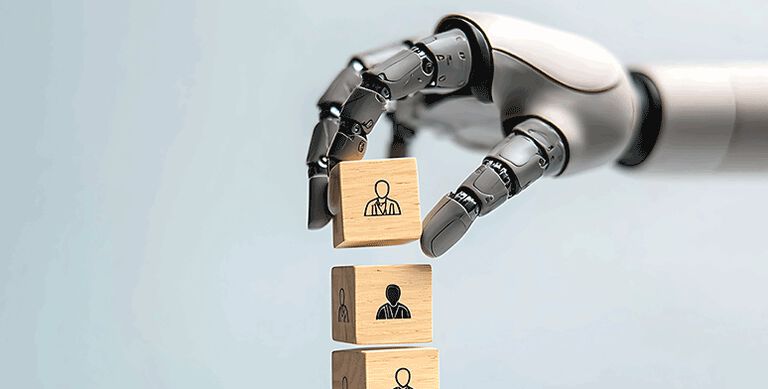
When used appropriately, AI becomes a productivity partner rather than a replacement.
AI Tools for Admin Work: Practical Applications
Administrative professionals don't need advanced technical knowledge to begin benefiting from AI. Many tools are designed specifically to enhance common workplace tasks. Let’s take a look at six everyday examples of AI in action.
1. Drafting and Improving Emails
AI can generate professional email drafts, suggest responses, and help adjust tone for different audiences. Instead of agonizing over routine messages, AI tools can pull text together in seconds and then admin staff can refine it as needed. This saves time while maintaining professionalism.
2. Meeting Support and Note-Taking
AI-powered meeting tools can summarize discussions, identify action items, and organize notes from in-person and virtual meetings. Rather than scrambling to capture every detail, administrative professionals can instead focus on participating in meetings and ensuring important follow-up actions are completed.
3. Scheduling and Calendar Management
Many AI-enabled scheduling tools can coordinate meeting availability, recommend optimal meeting times, and reduce the back-and-forth communication required to schedule appointments. This helps administrative professionals manage calendars more efficiently while minimizing conflicts.
4. Document Creation and Editing
From reports, to agendas, to presentations and beyond, AI can help generate first drafts, organize content, and improve clarity. Administrative professionals must still provide the expertise, context, and final review, but AI can significantly reduce the time needed to create polished documents.
5. Research and Information Gathering
AI tools can quickly summarize articles, identify key points from lengthy documents, and assist with preliminary research. This can be especially helpful when preparing briefing materials, gathering background information, and supporting leadership teams. Admin professionals can focus on checking facts, ensuring the content is organized clearly, and distributing information to relevant parties.
6. Data Organization and Analysis
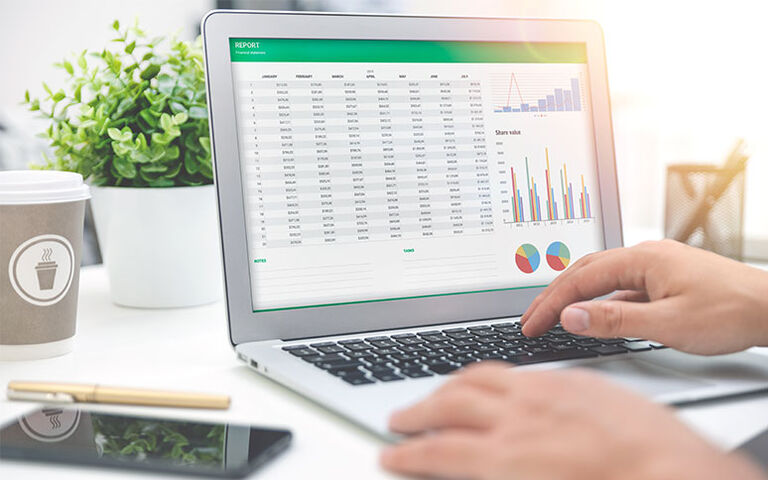
Many administrative professionals work with spreadsheets and reports. AI can help identify trends, clean data, and simplify analysis tasks that otherwise require significant manual effort.
The Competitive Advantage of Learning AI
A changing workplace is not a new concept; technology has been driving the evolution of business for decades.
Years ago, administrative professionals who learned spreadsheet software leapt over those who resisted it. The same thing happened with email, digital calendars, collaboration platforms, and more.
AI represents the next major workplace technology shift.
Office professionals who embrace AI tools are positioning themselves for continued success. They can complete tasks faster, improve productivity, and demonstrate valuable technology skills that employers increasingly seek.
Those who ignore or resist AI may find themselves at a disadvantage as workplace expectations continue to change.
This doesn't require today’s admin professionals to become programmers or data scientists. It simply means possessing an understanding of how AI works, knowing where it can help, and learning how to use it responsibly and effectively.
Organizations are always looking for employees who can adapt to new technologies and help drive efficiency improvements. Job candidates who possess AI literacy have an undeniable advantage in today’s market.
Using AI Responsibly
While AI offers significant benefits, it should always be used thoughtfully. Administrative professionals must remember to:
- Verify AI-generated information for accuracy
- Protect confidential and sensitive information
- Follow company policies regarding AI usage
- Use human judgment when reviewing AI-generated content
- Understand AI's limitations and potential biases
The most successful professionals view AI as a tool that supports their expertise—not a substitute for it. Human oversight remains essential.
Preparing for the Future of Administrative Work
The administrative profession has always evolved alongside workplace technology. AI is simply the latest development in that ongoing transformation.
The good news is that admin professionals are uniquely positioned to benefit from AI. Their deep understanding of organizational processes, communication, and workflow management makes them ideal candidates for leveraging AI effectively.
If you're ready to learn practical, real-world ways to use AI in your daily responsibilities, explore Pryor Learning's AI Tools for Administrative Professionals course. You'll discover how to leverage AI to improve productivity, streamline routine tasks, and enhance your value in today's workplace.
Familiarity with AI tools is just one of the many skills today's administrative professionals are expected to master. Luckily, Pryor Learning has useful training opportunities for every role, from administrative assistants to front desk staff to office managers. And with PryorPlus, you can take them all at the pace that's right for you.
Remember, those who develop AI skills today will be better prepared for tomorrow's workplace, and more confident in their ability to adapt as technology continues to advance.